
Franklin County Civil Docket Searches
Start a Franklin County civil docket search through Nebraska JUSTICE, the statewide public case-information system. A result may pull up a case summary, the parties, financial information, a register of actions, and images when one exists. Type the complete party name first. Broad results narrow quickly once you add Franklin County, the court type, the civil subtype, or a year. Confirm which court holds the case. That means County Court or District Court, before you ask a local office for a filing, a judgment, or a certification.
JUSTICE online is one channel among several. Nebraska policy also provides public JUSTICE terminals at courthouses. You also get free access at the Nebraska State Library, the UNL Schmid Law Library, and the Creighton Klutznick Law Library. For a paper-era file, a record with no image, or a case number, the right Franklin clerk can help. Phone, mail, and fax requests work too, following whatever procedures the local office states. The state copy form is CC 3:29. A record may not be supplied any other way. In that case, a formal Nebraska Public Records Act request can be forwarded through the State Court Administrator.
- Search the complete party name in JUSTICE and identify a likely Franklin case.
- Check the caption, case type, and court before relying on any matching result.
- Open the register of actions to see dated filings, hearings, orders, and judgment entries.
- Use the case number and exact document name when requesting a copy from the correct clerk.
- Ask the clerk whether an older item is electronic, paper, sealed, restricted, or available for inspection.
JUSTICE carries a $17 one-time charge, a 30-result limit, a three-calendar-day access period, and an entry delay of about 24 hours. A blank screen still proves nothing.
Franklin Civil Court Jurisdiction
The court named in the docket tells you where the record lives. Franklin County Court takes limited civil matters. That includes small claims and the other county-court categories the county lists. The concurrent civil cap sits at $70,000 under current Nebraska jurisdiction rules. Franklin County District Court is the general civil forum. It maintains district-court civil records, judgments, and writs. It also handles orders, returns, and financial tracking. Never fold the two offices into one "county clerk" records desk. Keep them separate.
| Court | Typical civil docket role | Record custodian |
|---|---|---|
| Franklin County Court | Limited civil matters, small claims, probate, and other county-court categories | Clerk Magistrate |
| Franklin County District Court | General-jurisdiction civil matters and district-court judgments | Clerk of the District Court |
Nebraska's District Court overview explains jurisdiction and clerk duties.
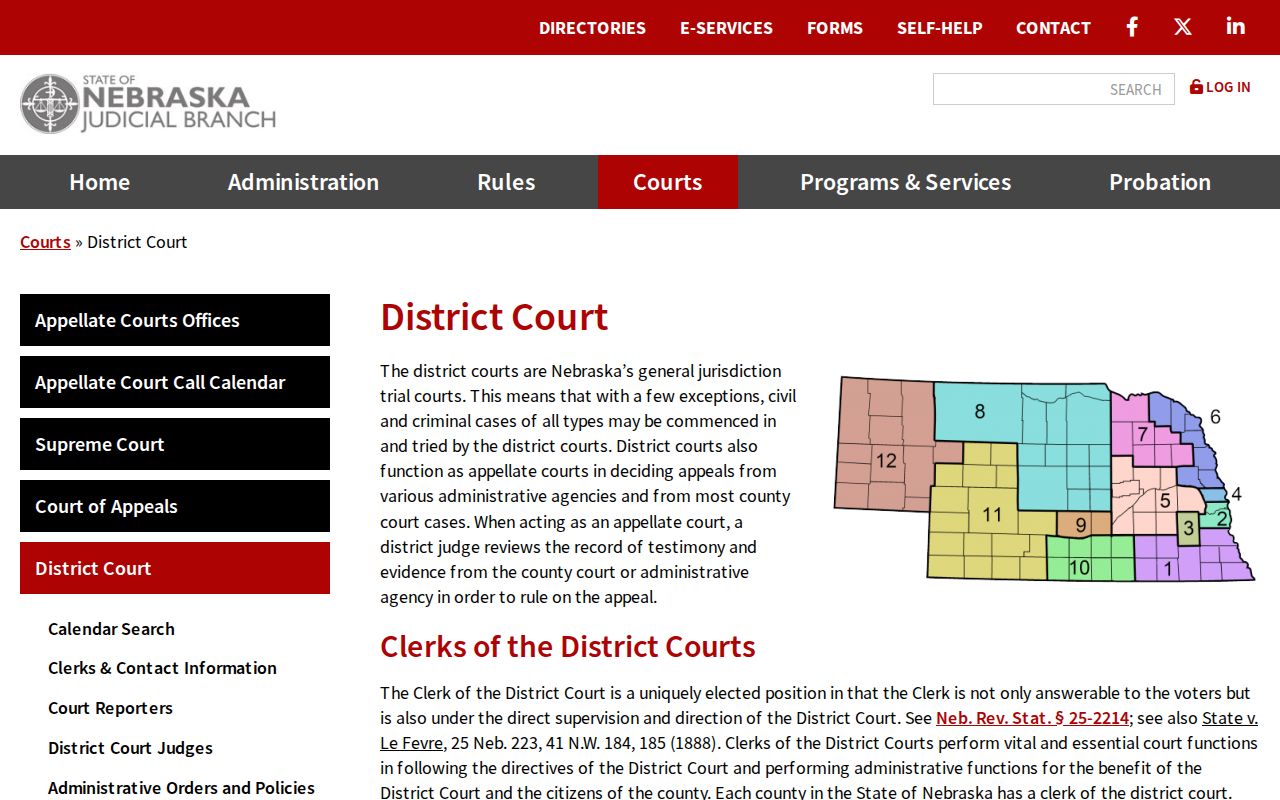
Once you know the court, the pieces fit together. The online register and the local records office are two halves of one access path.
Civil Dockets: What They Show
A civil docket logs events, not the whole story. A complaint or petition opens the case. Later entries can show an answer, a motion, service or return, a hearing, judgment, costs, satisfaction, or enforcement. The case summary helps you identify the matter. The register of actions is better for the filing sequence. A missing image can mean several things: never imaged, older paper, restricted, or blocked from the public interface. Check with the clerk before assuming.
| Caption and parties | Identifies the civil matter and helps separate similar names. |
|---|---|
| Court and case type | Shows whether the record belongs to Franklin County Court or District Court and the civil category. |
| Register of actions | Lists dated events such as filing, service, motion, setting, order, and judgment. |
| Document image | May be clickable when filed electronically and publicly available; its absence does not erase the docket event. |
| Financial information | Can reflect court-assessed costs or judgments, but it is not a substitute for reading the underlying order. |
Rule 1-805 spells out public electronic information. It covers case summaries, registers with available images, calendar entries, and summary judgments or orders. A docket entry is not the filed document. They are two related layers.
Franklin Civil Docket Filing Counts
The official FY2025 County Court caseload report shows 141 adult civil filings in Franklin County. Small claims added 9 more. These are filing counts, nothing else. They are not unique people, outcomes, or pending-case totals, and no District Court civil figure appears in them. The mix gives a feel for the county-court docket. A specific case still needs its own register and court identification.
Franklin County's district-court filing-fee page lists local filing fees. It runs older than the current statewide fee schedule, so treat the numbers with care.
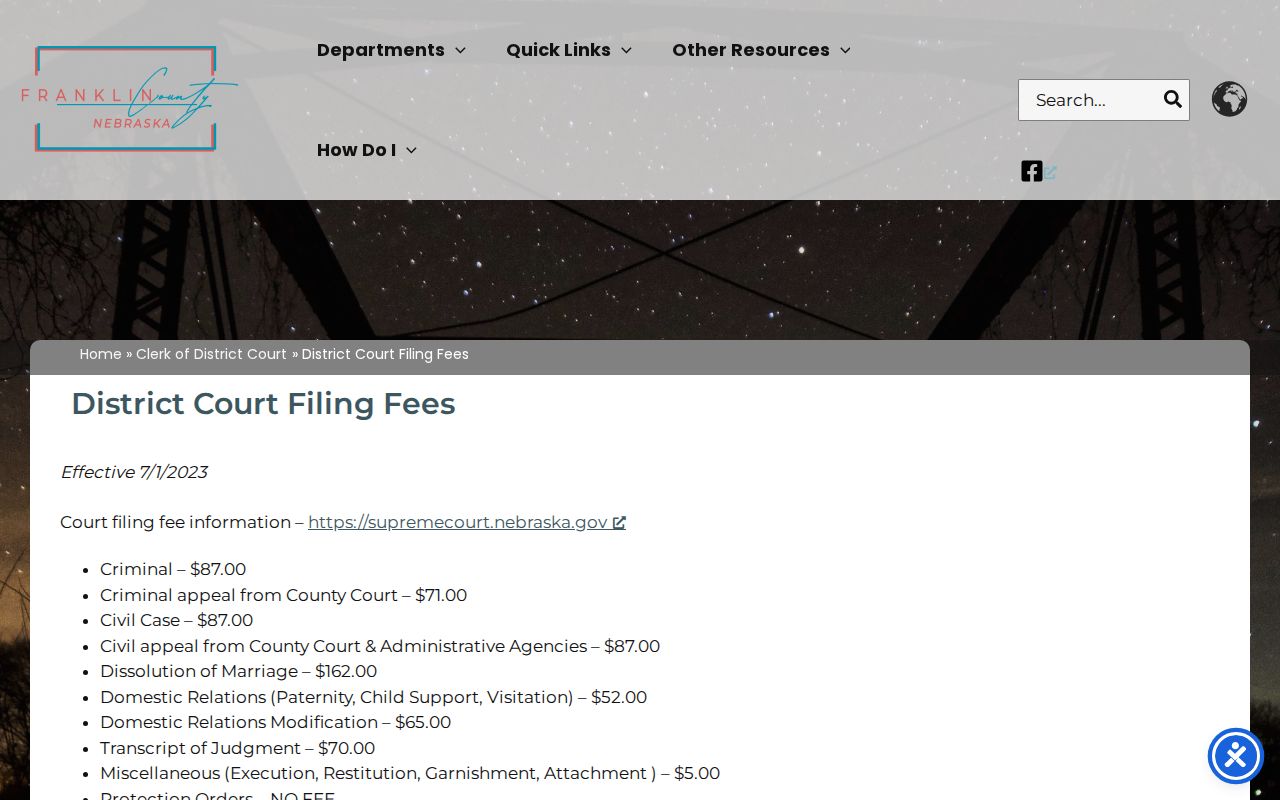
Filing fees and copy costs are separate questions. Both can attach to the same case, but neither answers the other.
What Cases Fill the Civil Docket
Franklin County Court handles civil and small-claims matters. Its docket also carries probate, guardianship or conservatorship, adoption, juvenile matters, protection orders, and other county-court work. Access levels differ by category. A probate register may be searchable while an estate inventory, account information, or protected-person detail stays restricted. Adoption and juvenile records demand special care. A category label in a public index does not open every attachment.
- Limited civil cases in County Court, subject to the current jurisdiction limit
- Small claims in County Court
- General-jurisdiction civil matters in District Court
- Probate and guardianship or conservatorship cases with possible protected information
- District-court judgments, writs, orders, and related civil record entries
State court information splits records by court and type. Confirm the category before assuming a civil label unlocks the whole file.
Franklin Small Claims Civil Dockets
Small claims sit inside the Franklin County court civil docket. They carry their own filing fees. There is also a cap on what they can cover. The statewide schedule puts small claims up to $7,500 at $58. A move from small claims into regular civil runs $20. A county appeal cost bond runs $50. Those are filing costs. They are not what you pay to pull a copy of a case that already exists, and a future schedule could shift them, so check the effective state schedule before you file.
A short docket still tells a story. One small-claims register can hold service, judgment, payment, and later enforcement entries, and none of it makes a final judgment self-explanatory. Read the caption, the court, the dates, and any order you can get. When you request a copy, name the exact item listed on CC 3:29 instead of asking for everything. Rule 2-210 covers protected information and sets out how to file a motion to seal a specific document.
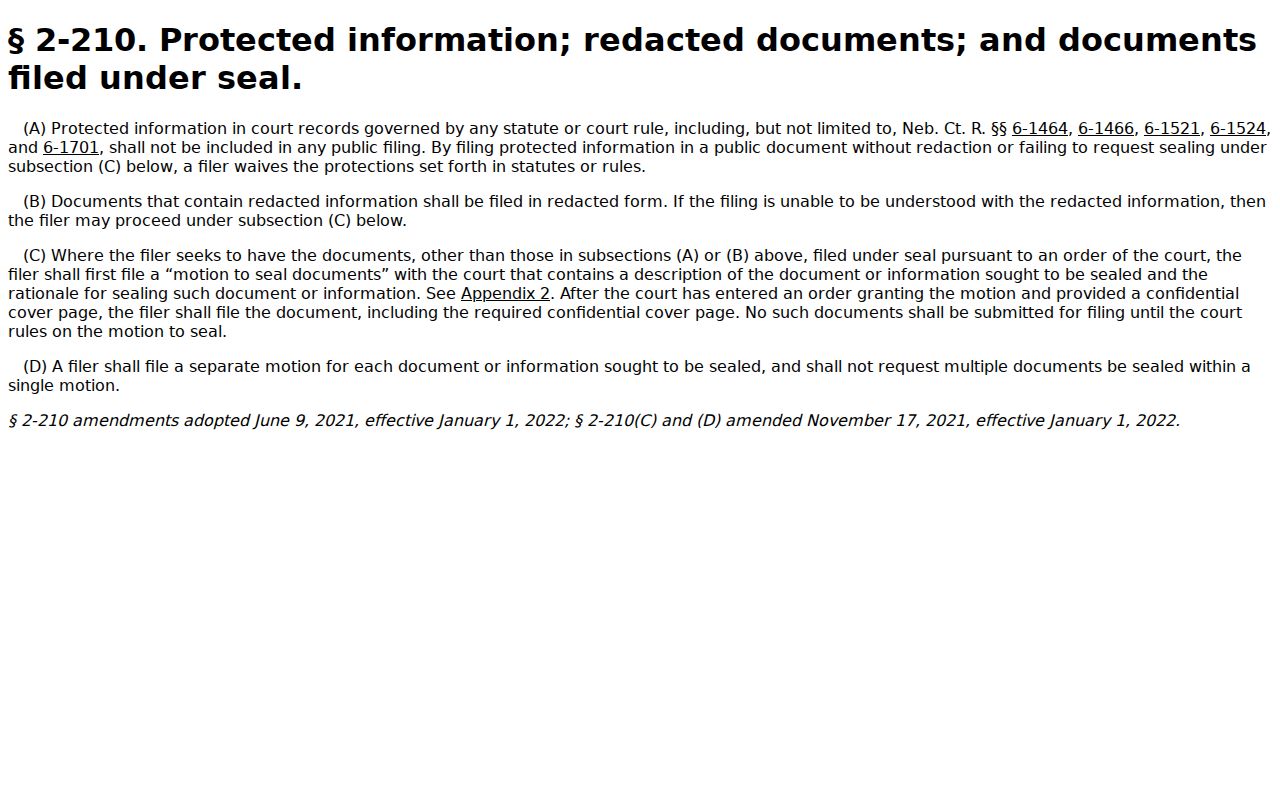
Franklin Small Claims Civil Dockets: A small-claims civil docket still shows the public event history of the case, though some personal information in it stays protected from public view.
Hearings on the Civil Docket
A civil hearing setting on the docket is just a scheduled court event. It is not a decision on the merits. The Multi-Court Calendar helps you find current and future settings. Search it by date or last name. You can also pick County Court or District Court. Expect each entry to show a case number, caption, date, time, and location. For the fuller event history, go to JUSTICE's register of actions. The calendar does not replace a historical event search. A past setting may still need a check in the register or with the clerk.
Settings move. A continuance, a reset, or a cancellation can all change a court date. A newly entered event can change it too. The calendar itself warns that its information is not guaranteed, and an empty result does not prove that no court date exists. For an appearance that matters, confirm the date with the responsible clerk or with the party's attorney. The county sources post no separate Franklin daily-docket PDF. They post no online calendar export either. A court-coordinator calendar page is absent too.
Note: You need the order that followed the hearing date. The register of actions entry that followed the hearing also serves. That determines what actually occurred afterward.
Franklin Civil Docket Copy Requests
CC 3:29 asks you to be specific. Provide court and county, case number, case name, document name, document date, delivery method, and your contact details. The cost tiers are simple. Emailed non-certified copies run no charge, while mailed non-certified copies are $0.25 per page. Certified copies are $1 per request by email. By mail, they cost $1 per seal plus $0.25 per page. Prepayment is required under the form. Ask the Franklin clerk about current transmission and payment practice before sending money or a fax.
County Court civil records
Darcie Porter, Clerk Magistrate
405 15th Avenue, Franklin, NE 68939
P.O. Box 174
308-425-6288
District Court civil records
Marcia Volk Schenker, Clerk of the District Court
405 15th Avenue, Franklin, NE 68939
P.O. Box 146
308-425-6202
Both offices keep regular hours of 8:30 a.m. to 4:30 p.m., Monday through Friday, and each can help over the lunch hour. The official material posts no dedicated court-record request email, no local online form, and no guaranteed turnaround time.
Who Can See Civil Dockets
Nebraska starts from open access and then draws lines. Rule 2-215 makes filings generally public unless restricted. It also allows inspection at a clerk terminal or the State Library. Rule 1-805 lists the public electronic categories: summaries, registers, calendar entries, and available images. The Public Records Act gives inspection and copy rights subject to statutory exceptions. Formal requests under that Act go to the State Court Administrator. But ask the local office first. The office holding the file can pinpoint the exact civil record.
Access rules:
Rule 2-215 provides the public filing-access baseline and identifies inspection paths.
Rule 2-210 sets the protected-information and document-specific sealing procedure.
Nebraska Public Records Act sections 84-712 through 84-712.09 govern public inspection and copies subject to exceptions.
The Nebraska Public Records Act text lays out the legal framework, including how a written denial works and where to seek review when access is limited.
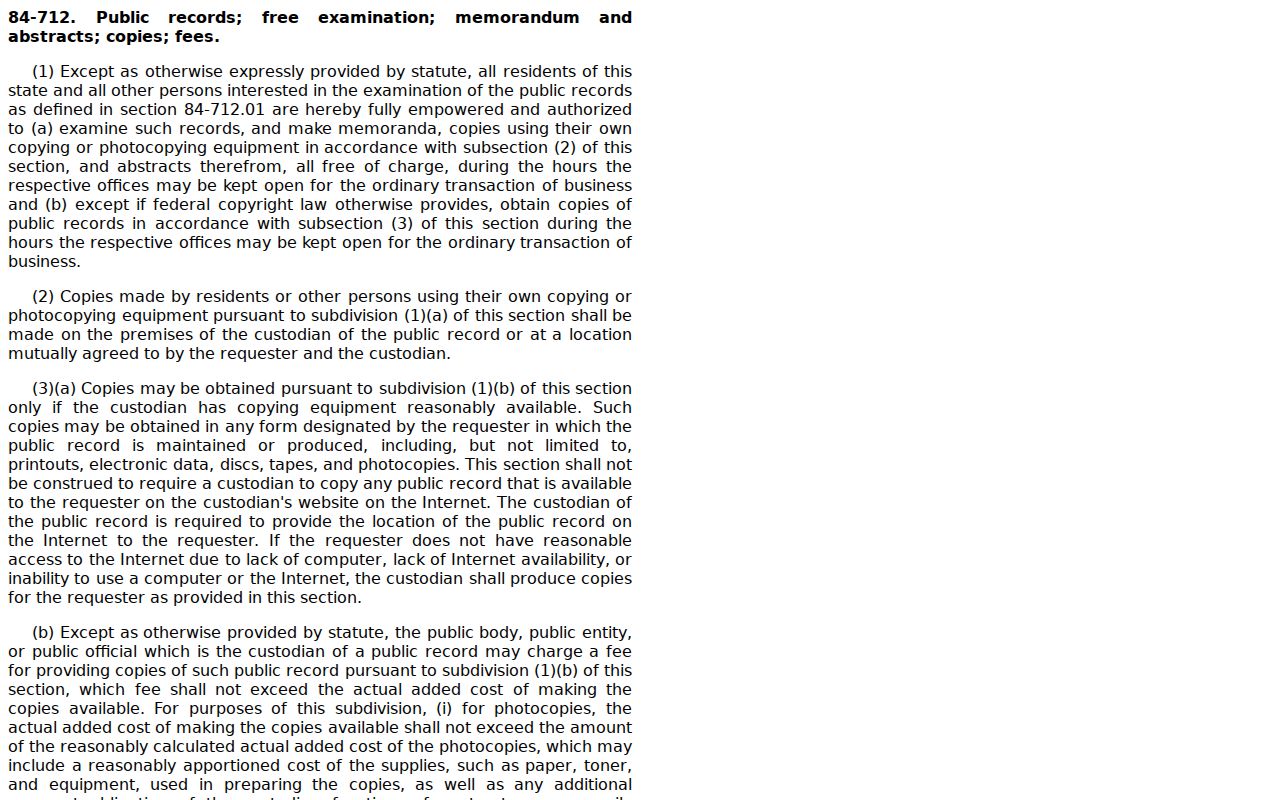
The Act opens a door to records that already exist. It cannot force a court to build a new report or hand over protected material.
Franklin Civil Docket Privacy Limits
A visible entry on a civil docket does not make every detail public. Rule 6-1521 sends certain personal and financial information into a confidential appendix when required. That covers Social Security numbers, full birth dates, gender, and financial-account data. Rule 2-210 makes filers protect or redact that information. It also allows a motion to seal one document. So an online docket can show the parties, a filing, a setting, and a judgment while an attachment stays withheld or masked.
Criminal filings follow their own redaction rule, Rule 6-1524, and that split reinforces the point: a public electronic record is not an unredacted archive. Never copy personal identifiers from a docket image. Missing a document you expected? Ask why. It may be not indexed, not imaged, not public, sealed, or simply not found in the search. Rule 6-1521 is the official civil personal-and-financial-information rule.
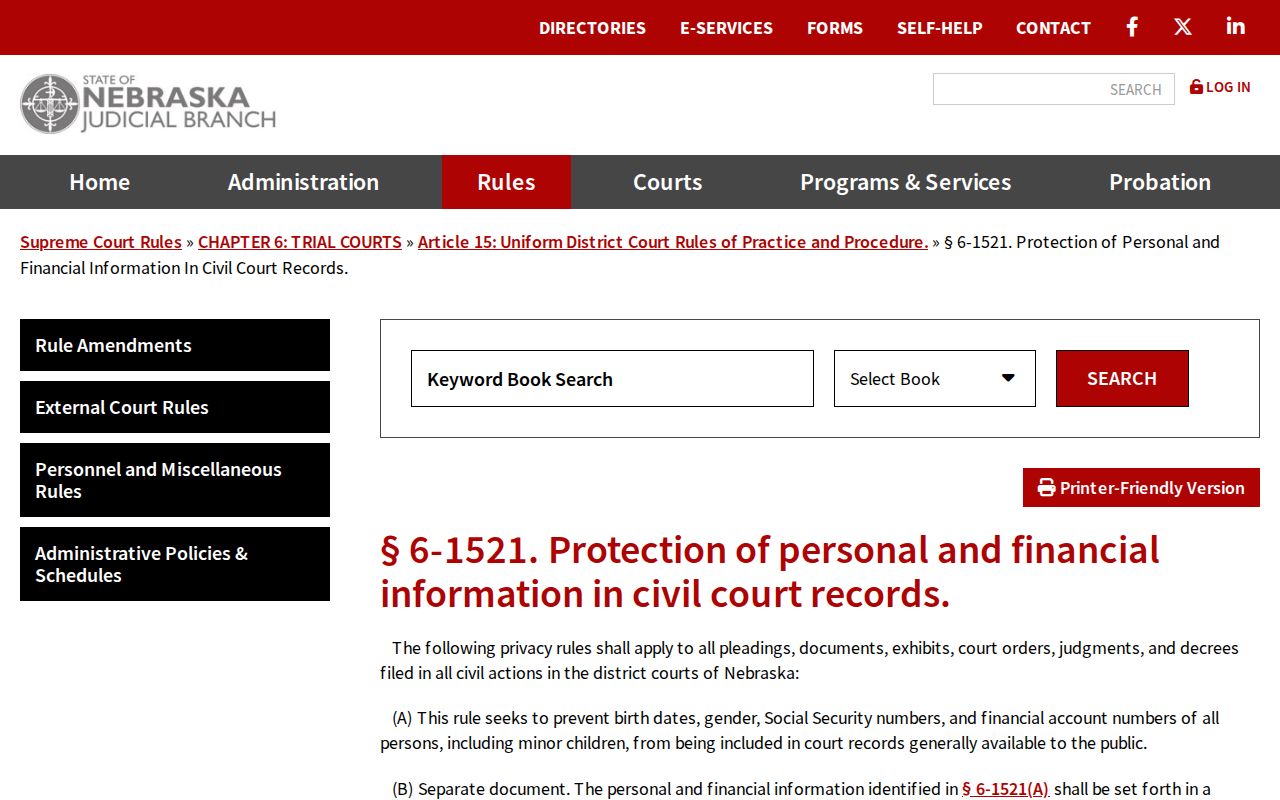
The confidential-appendix rule is why the public register stays useful without exposing sensitive details. Rule 6-1524 is the companion criminal-record redaction rule in the state's public-access framework.
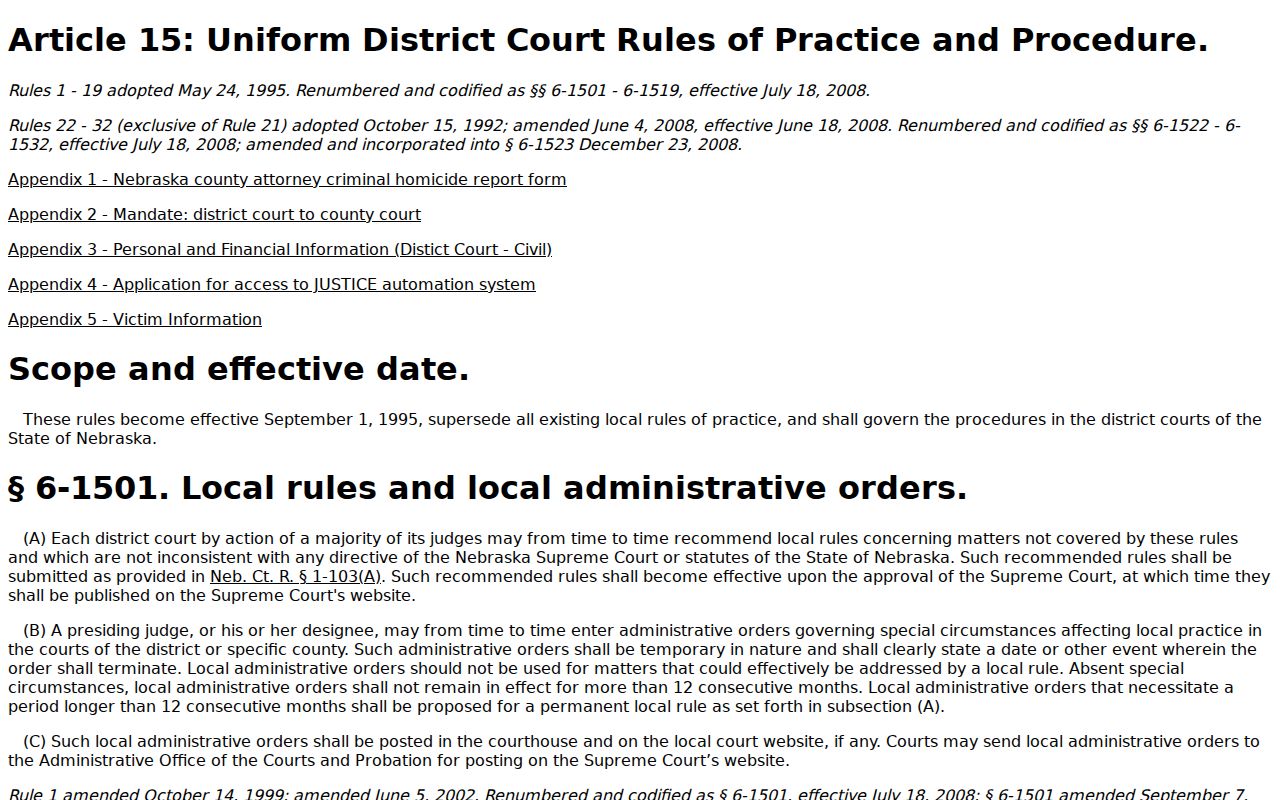
Taken together, the two rules pair public access with limits that keep protected identifiers out of widely available court materials.